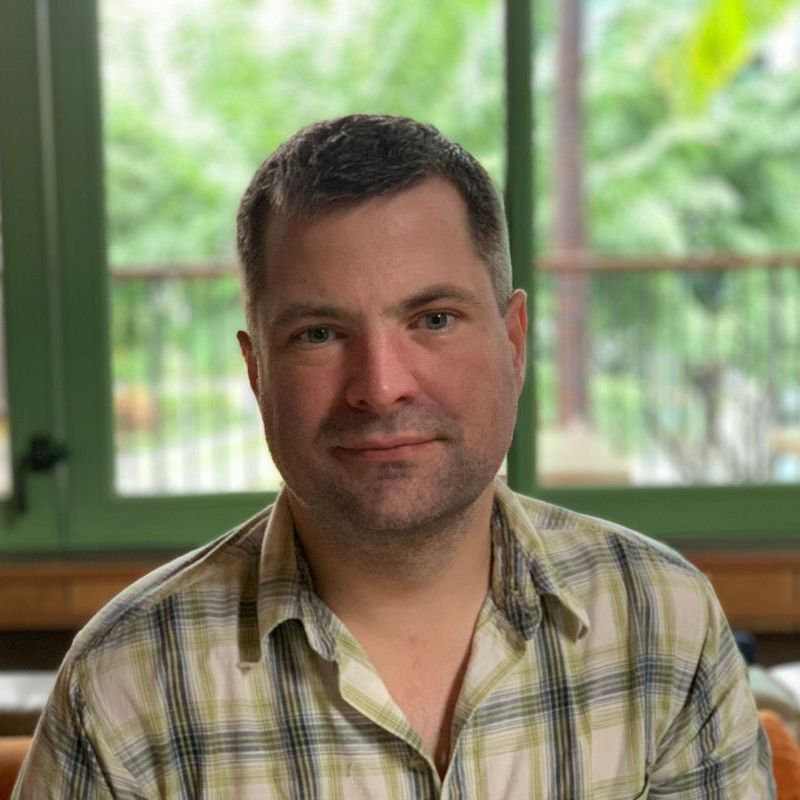
Matthew Sorg, MA, LMHC
Psychotherapist
Seattle WA
The room feels unhurried. There's space for silence. For not knowing. For the thing you can't quite name yet but sense is important.
You can show up fragmented, shut down, or flooded—and we slow down together. We don't push past what your system can hold. We work at the pace of your nervous system, not a treatment protocol.
For ketamine work specifically: we prepare extensively before dosing sessions, exploring your intentions, history, fears, defenses, and what safety looks like for you. During sessions, I provide steady presence, emotional safety, grounding, and attunement. Integration is where change solidifies—making meaning of what surfaced, connecting insights to your lived experience, and building new pathways forward.
Clients describe our work as: grounding, emotionally safe, slow enough to stay regulated, deep enough to create real change, and human.
I'm Matt—a licensed mental health counselor (LMHC) practicing in Seattle and teaching faculty in the Psychology Department at Seattle University. I specialize in trauma therapy, ketamine-assisted psychotherapy, and psychedelic integration for adults—especially men and LGBTQ+ individuals.
My path into this work is non-traditional. I studied literature and continental philosophy at Reed College, spent over a decade in scholarly publishing and information architecture, and eventually returned to graduate school for my Master's in Existential-Phenomenological Psychology at Seattle University. That combination shapes how I work: I can attune closely to the felt sense of a single moment—a freeze response, a flash of shame, a protective shutdown—while simultaneously tracking the larger systems shaping it.
I'm a gay therapist who's done my own excavation around identity, shame, and belonging. For queer clients especially, this matters. But it informs how I sit with anyone whose sense of self has required negotiation.