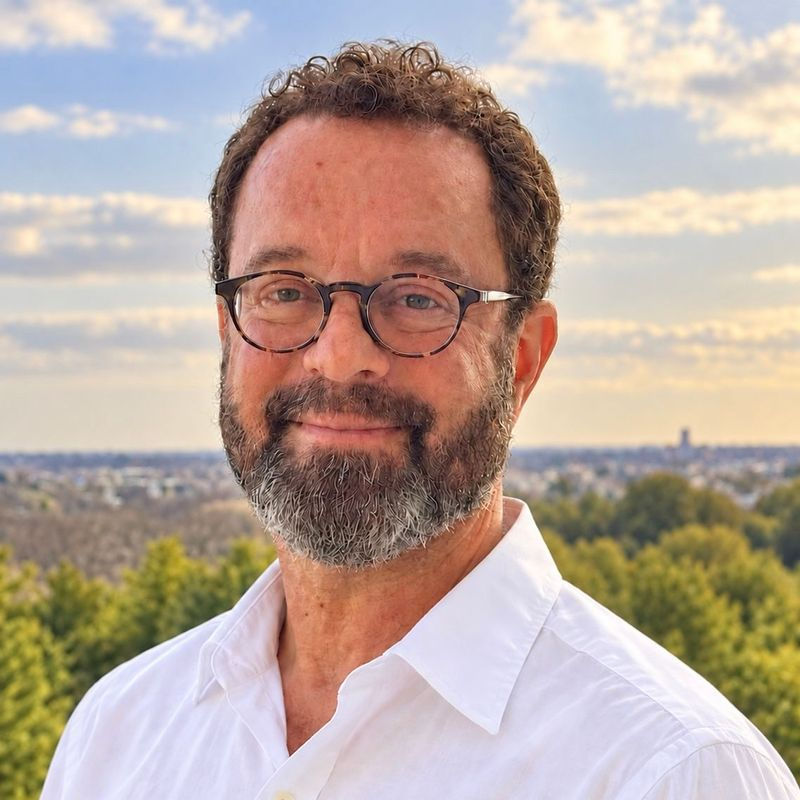
Larry Shapiro, PhD
Psychologist
St. Louis MO
Many people who contact me have already tried therapy, medication, or both. They've put in real effort and still don't feel better. That's not failure. It's often a sign that a different approach is needed.
I specialize in helping adults struggling with anxiety, depression, PTSD, trauma, ADHD, and other concerns that have been difficult to resolve. Many of the people I work with are dealing with treatment-resistant depression, treatment-resistant anxiety, and longstanding patterns that have not responded the way they hoped. My goal isn't simply to help you cope better. It's to help you get better.
My approach is active, practical, and collaborative. Together, we'll identify the patterns that keep you stuck, develop new ways of responding, and focus on creating meaningful changes in your daily life, relationships, and overall well-being. Therapy should do more than provide support. It should help you move forward.
I am a clinical psychologist with over 30 years of experience, licensed in Missouri and New Jersey. I also have a special certification that allows me to practice telehealth in over 40 states across the country so there are limited barriers to get the help you're looking for.
I have developed an expertise in difficult-to-treat behavioral health issues like combat trauma, first responder trauma, the impact of childhood abuse, neglect, bullying and narcissistic parenting. As AI has developed as a counseling tool in therapy, I am also aware of the negative and positive uses of AI as a companion to good, ongoing therapy based in sound psychological principles.
I am an Adjunct Instructor of Psychiatry at Washington University School of Medicine and a Clinical Advisor to the Center for Holistic Interdisciplinary Research in Psychedelics (CHIRP). My work combines decades of clinical experience with current developments in psychedelic research while remaining grounded in sound psychological principles and effective psychotherapy.
If previous therapy or medication hasn't helped as much as you hoped, a different approach may be worth exploring. I would be happy to discuss your goals and whether my approach might be a good fit for you.
Telehealth for adults:
Who are not getting good relief from traditional psychiatric medications for anxiety and depression.
Who are experiencing life-cycle challenges like loss of job/career change & divorce.
Who are combat-veterans unhappy with the treatment they have been getting at the VA.
Who are facing terminal or chronic illnesses and end-of-life anxiety.
Who are high functioning business owners or professionals who would like to sharpen their thinking, reduce stress or increase creativity.
Who have ADHD
Who have a history in narcissistic relationships (parents or partners) or who have a history of childhood bullying.
Who have had previous challenging psychedelic experiences or incomplete or unsatisfactory integration.