


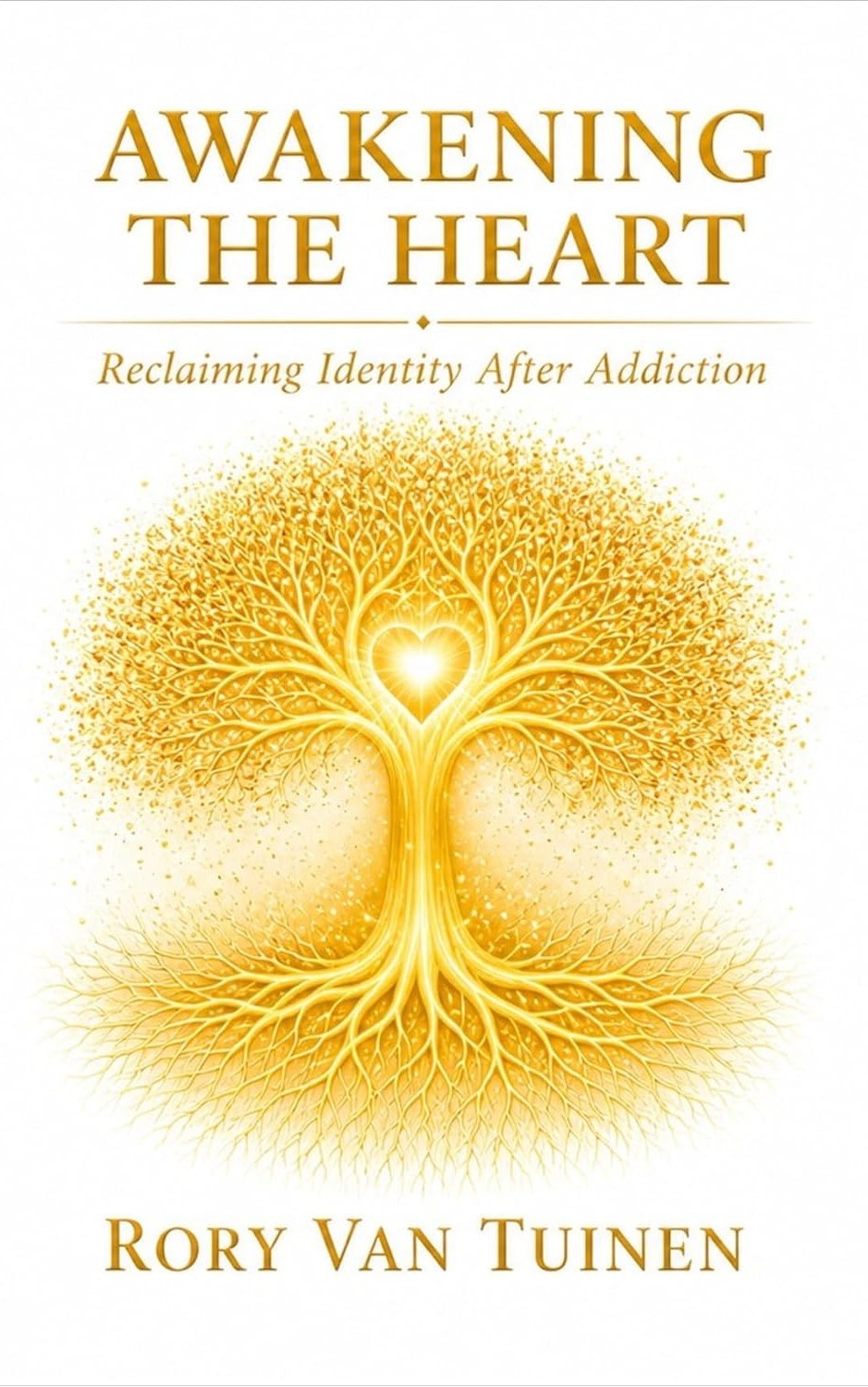
Rory Van Tuinen, author of Awakening the Heart (2026), is a recovered heroin addict. For over a decade in Vermont, opiates ravaged his youth, and methadone kept the demon at bay. Van Tuinen’s shocking and idiosyncratic healing path included ibogaine therapy. While talking about Awakening the Heart, Van Tuinen says ibogaine alone isn’t a miracle cure; healing requires more than just psychedelics, and opioid manufacturers often profit from addiction.
“A person changes when the pain of maintaining the status quo overcomes the pain of change.” At what point did you overcome the status quo of addiction?
I don’t think there was a single moment when I suddenly became willing to change. It was more like a gradual accumulation of pain. I had overdosed, lost relationships, lived in fear, and spent years trapped between wanting freedom and being terrified of what freedom would require.
Eventually I realized addiction wasn’t just costing me my health; it was costing me my identity. I had become disconnected from who I was beneath the substances. The pain that finally moved me wasn’t physical withdrawal; it was the realization that I was watching my life pass by while becoming someone I didn’t recognize.
When the pain of staying the same became greater than the fear of the unknown, I became willing to do whatever was necessary to reclaim my life.
In your book, you mention ibogaine therapy isn’t a miracle cure or cure-all. Why?
Because no medicine can do the work of living for you. Ibogaine was one of the most powerful therapeutic tools I’ve ever encountered. It interrupted years of opioid dependence and gave me an opportunity that I had been unable to create on my own. But an opportunity is not the same thing as a recovery.
People often want a miracle because recovery is difficult. The truth is that lasting change requires integration, accountability, community, and a willingness to face uncomfortable truths. Ibogaine therapy can open a door, but you still have to walk through it.
I don’t diminish what ibogaine did for me. It was extraordinary. But calling it a cure would ignore the years of personal work that came before and after the experience.
Resources for Recovery Beyond the Medicine
- Ibogaine for Addiction: Learn how ibogaine is being explored as a treatment for addiction
- Psychedelic Therapy for Addiction Recovery: See how new approaches are shaping addiction treatment
- How Psychedelics Can Help With Addiction: Explore the science behind psychedelics and addiction recovery
- Holistic Addiction Recovery with Psychedelics: Why lasting recovery involves much more than the medicine
- The Risks of Self-Medicating Alone with Psychedelics: Why preparation, support, and integration matter for safety
You relied on other vital components to provide a full recovery. What were they?
Recovery was not a single event. It was a collection of practices, relationships, and experiences.
Therapy played a major role. I spent years working with a therapist and learning to understand the roots of my behavior rather than simply trying to suppress symptoms. Community was essential. Isolation fuels addiction, while connection creates the conditions for healing. People heal in relationships.
I also benefited from physical exercise, honest self-reflection, supportive friendships, family relationships, spiritual exploration, and a willingness to take responsibility for my choices.
Most importantly, I had to develop a new sense of identity. If I still viewed myself as the same person who needed drugs to survive, recovery would always be fragile. Healing required becoming someone new while learning to accept who I had always been underneath the addiction.
Follow your Curiosity
Sign up to receive our free psychedelic courses, 45 page eBook, and special offers delivered to your inbox.You speak out against opioid & methadone manufacturers. Why?
My criticism is not directed at every clinician, treatment provider, or patient who uses these medications. They have helped many people, and medications can save lives.
My concern is with systems that become financially dependent on lifelong treatment while investing too little in helping people achieve the outcomes they actually want. Many individuals enter treatment hoping to regain autonomy and eventually live free from dependence. Too often, that goal receives less attention than maintenance itself.
I spent years on methadone. While it reduced harm in my life, it also created challenges that made me feel stuck. My experience led me to question whether we are investing enough in innovative approaches that help people reclaim choice, dignity, and long-term freedom.
I believe people deserve access to a broader range of evidence-informed options, including emerging therapies like ibogaine, rather than being told there is only one acceptable path.
“People often want a miracle because recovery is difficult. The truth is that lasting change requires integration, accountability, community, and a willingness to face uncomfortable truths.”
— Rory Van Tuinen
You had to use heroin one “last time” in Canada to achieve full recovery. Explain what the “last time” meant to you, and tell me how this makes sense.
The phrase “one last time” wasn’t a celebration of heroin use. It was an acknowledgment of where I was at that moment.
My relationship with opioids had fundamentally changed. For years, drug use had been driven by compulsion, fear, and dependence. This experience felt different because I knew I was standing at the end of a chapter rather than in the middle of one.
The irony is not lost on me. The substance that had caused so much suffering was present at the threshold of my recovery. But recovery stories are rarely neat or linear. Human beings are complicated.
What matters is not the symbolism of that final use but what followed. After years of addiction, treatment attempts, and relapse, I finally found a path that allowed me to reclaim my life. The meaning of that “last time” can only be understood in the context of everything that came after it.
Awakening the Heart sounds soft and tender. Don’t expect anything of the sort. Van Tuinen’s brutal and savage journey reveals the truth of substance abuse disorder: healing isn’t one-size-fits-all. Moreover, the Vermonter’s ibogaine therapy experience shows the treatment requires more work than the hype reveals. Life gave Van Tuinen a beatdown, and now, as a result, he punches up. Find Awakening the Heart at roryvantuinen.com.
Book Details
Awakening The Heart: Reclaiming Identity After Addiction by Rory Van Tuinen is available at roryvantuinen.com.
- Genre: Autobiography, Psychology & Counseling
- Publisher: Cultivating Connections VT
- Publication Date: May 5, 2026
- Language: English
- Print Length: 141 pages
- ISBN: 979-8-9953084-0-9
- List Price: $20.99


